Path to sources, circulation and exchange of information
You’ll find more of the described concepts and methods in the The Synth Issue#1
You’ll find the Part II of the article here
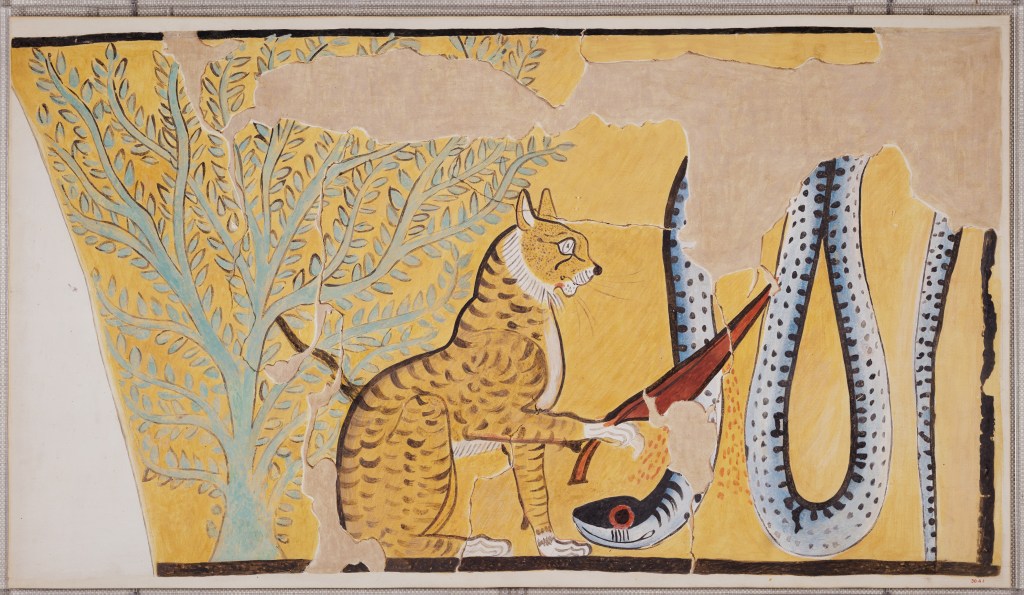
For the right now, Hermenaria project is running on visual images from The Metropolitan Museum of Art Open Access Project. (This is not a marketing or publicity campaign for The MET collections but my perception and use of it.) These images are free of copyright. I made this choice for two reasons. The first reason is a right to use copyright free images in commercial projects and transform them to my own digital art. The second reason is a non-obligation and a free choice in mentioning the metadata: author, title, date and the museum reference. Below I will explain this decision in link with analogy methods of search.
These methods are for mind and spirit practices first as they encourage human creativity, intuition and personal universe. These capacities have much more then we often estimate. And they go beyond the simulation of any kind.
Exchange and extension
I have a choice to describe metadata or not. I do it most of the time because I see it as an exchange. I take images for my purpose and projects. I modify them and use to my goal. But by choosing them, I bring them to light and offer a life circle again. Most of the images are not famous or are forgotten. There are few or not at all links, which bring to them, they are not especially classified or reviewed. And with time, there are fewer and fewer anchors to hold them in use and keep from deep waters of memory.
When these anchors (references, links or tags) disappear, I have no way to know about the existence of these images. Even if they are those that would perfectly suit my actual project or my vision. So, there is an image that exists and may be perfect for my goal, but I have no idea that it exists or I have no trail to find it (by keywords, time period or material). I realized by accident the existence of Strasburg textile patterns of the 19th century, roman symbolic frescos and mid 19-century photographs of ancient temples.
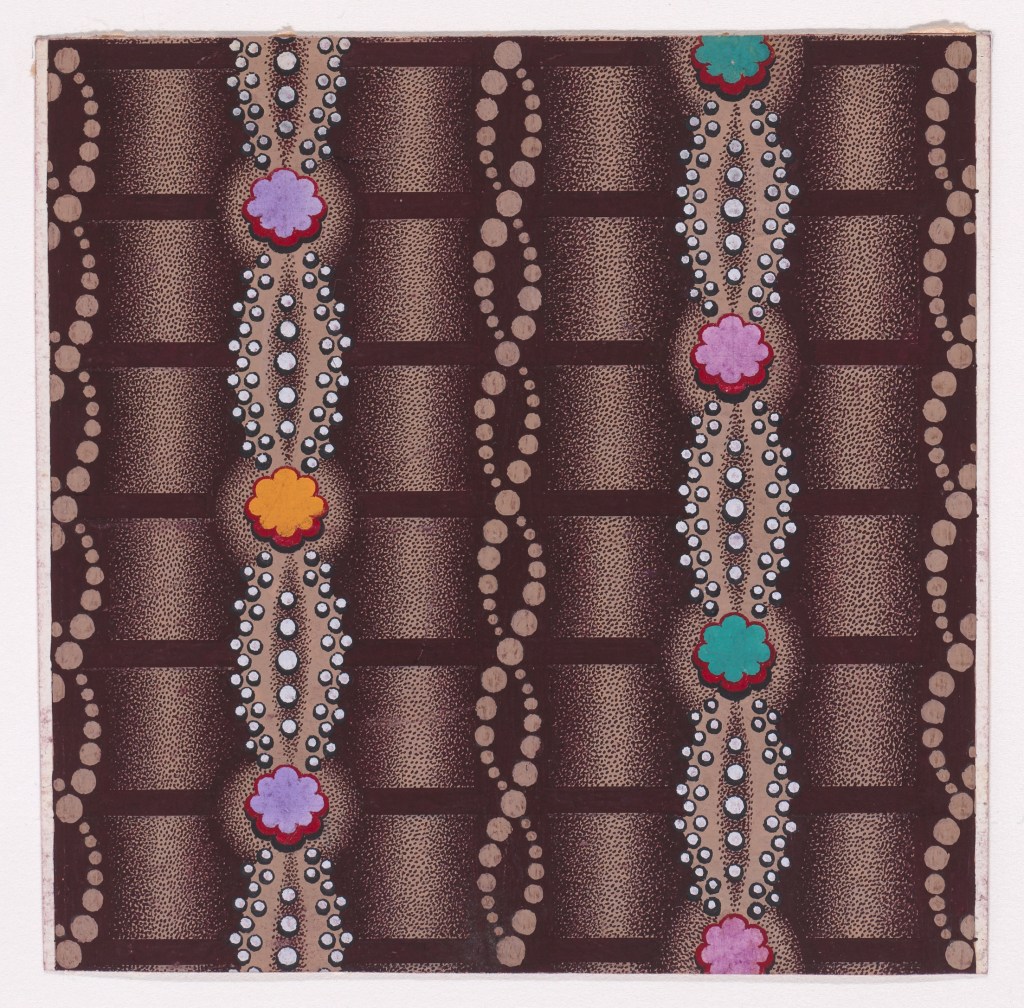
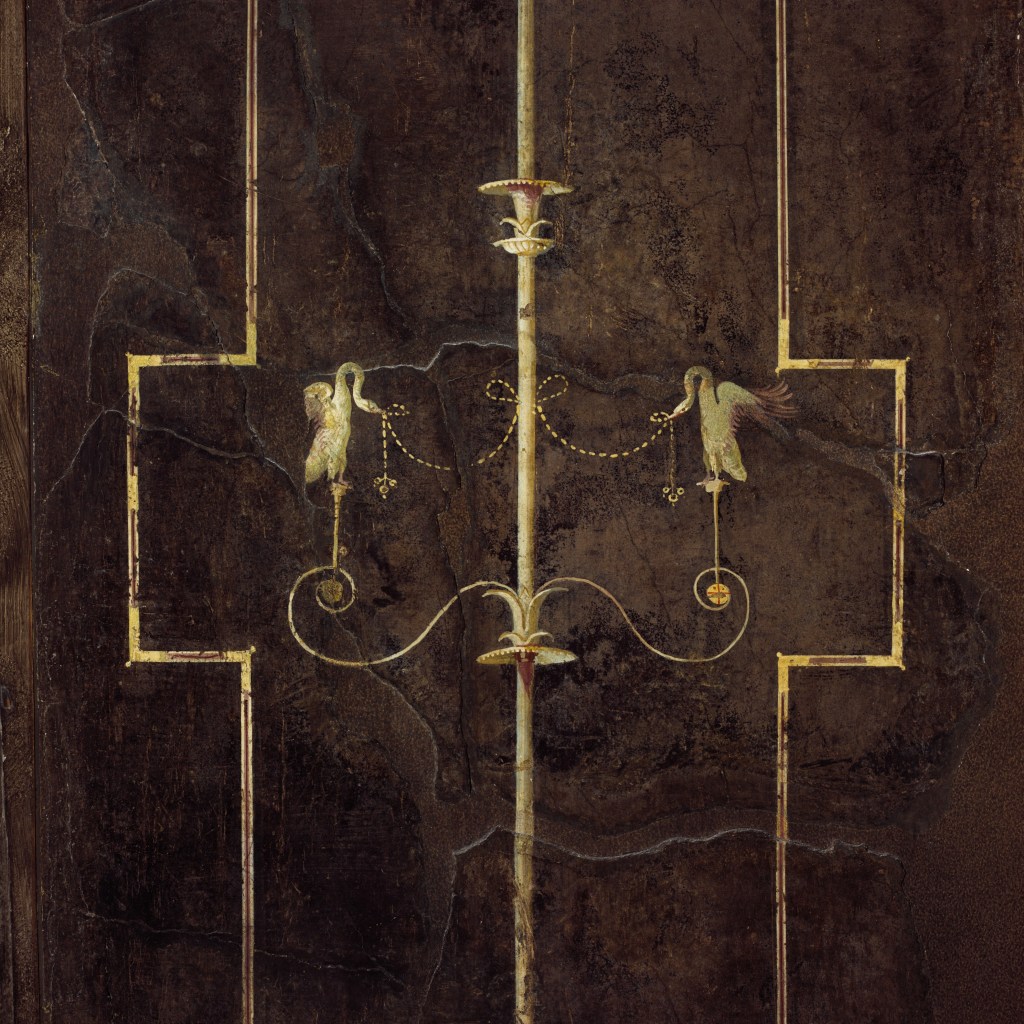
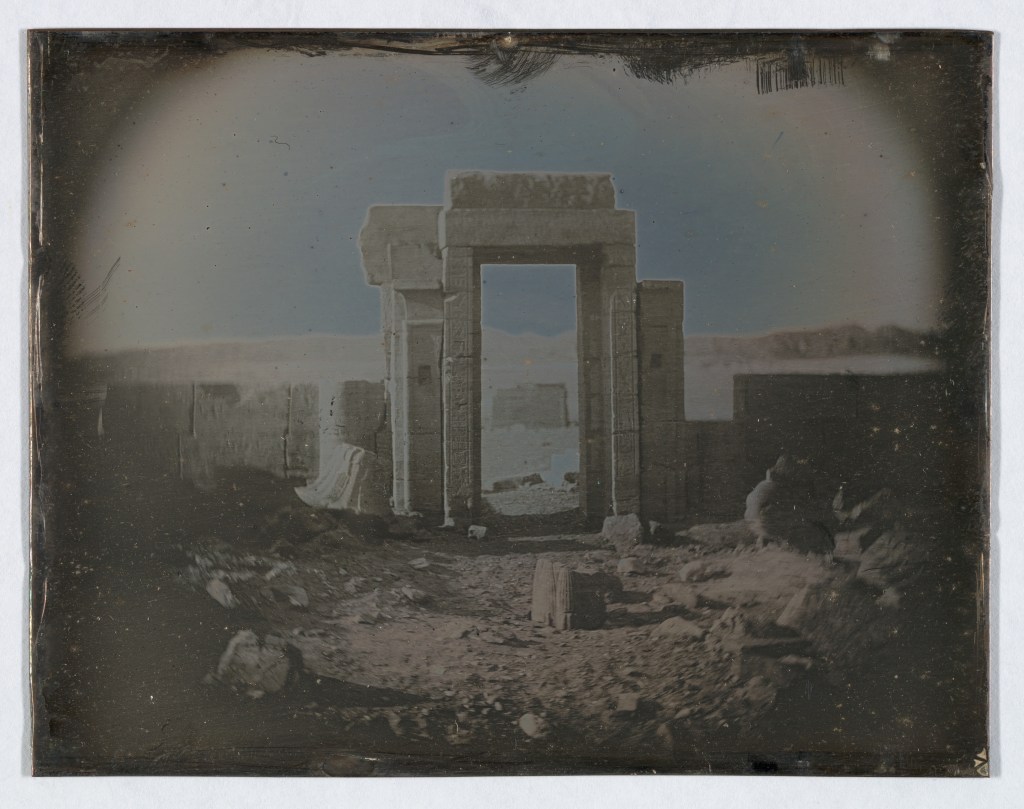
These images were much more synchronistic with my ideas that the more famous ones and I had a change to find them. I will explain below the way I did it and the methods I suggest for personal search or for the search engines functions.
Now I will focus on exchange in metadata between the artworks’ authors and myself. I put the artworks’ description as a path to the original artwork. I do so even if I create my own digital art beyond and it becomes difficult to recognize the original work. It’s my perception and my creative process, and I think that the way I manage these images or anything else creates a context. And a context creates an analogy. By putting the metadata, I allow to find for me and for others the original artwork.
From this source then others and I are free to make their own contexts and analogies. This link to a source artwork increases analogies trails and interpretations.
I see it as a dualism of the original and the created; as a source and an interpretation; the physic form (physical artwork) and the spirit form (imagination and creative interpretation). It’s a way to maintain a circle of information and its exchange. I bring the names of artworks and they return to common use, they receive anchors and references to be found and interpreted. Money needs to circulate to work and grow in capital. I think that information needs to circulate to grow in references and interpretations.
In digital age, this circulation of information is like an Ariadne’s thread. It is a source of information in itself. It is like a path or trails in a forest, which show the nature and characteristics of those who made it.
The particular path to the hidden lake in the forest includes information, opportunities and insights in itself.
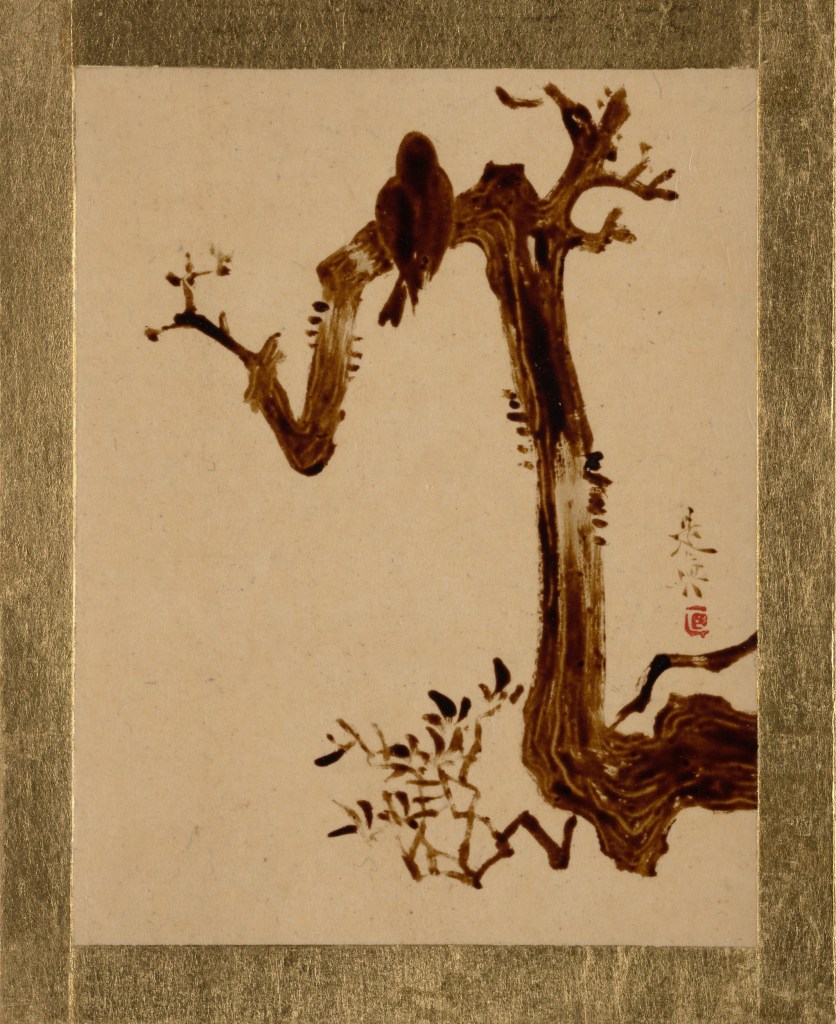
I also think that an original work serves as a symbol with many interpretations and duotones. It’s a kind of timeless antidote to illusions, auto proclamations, temporary social theories and rewriting history. At least, it helps to choose which interpretation is accurate for myself. So I use metadata as a mutual opportunity to me and to the artworks I mention. And by doing so, I think that I actualize these original artworks and bring new updates.
I also think that an option of non-obligation in mentioning the metadata is a strategic way in circulation of information.
The circumstances may be different and to my mind, it’s better to make an image circulate without an author or a title reference that to refuse it. Otherwise, this image may be blocked forever waiting the perfect reference, author description and other obligations.
Analogy as nonlinear link
I have downloaded around 1000 images and I have reviewed around 3000 images for now. I use some keywords as a start point, although they did not often bring me the results I imagined. This was a weak point of the MET Open Access search engine – I needed to make a mechanic work and review many images. At the same time, this mechanic work offered me a large perspective: an ocean of objects, cultures and meanings. I didn’t know them and had no special need to search for. Still, this was the main source of analogies. Much more than the keywords, which I used as a start point and the images I expected to find from the beginning. I had pre-defined visions of what I want to find, ignoring other opportunities, objects, paintings that I didn’t know at that time.
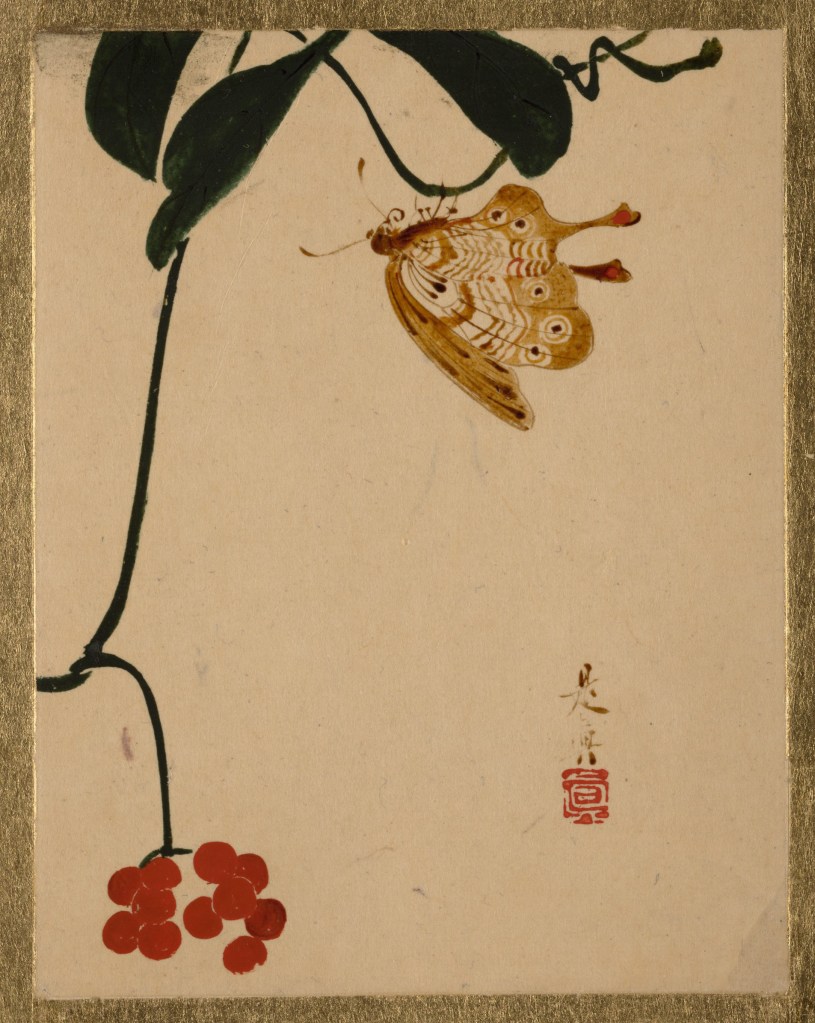
I had a similar experience, while working in the archives. I am an independent researcher and I have confronted a problem of the analogy search. I see the main problem as a switch, which I need to take if I want to go beyond the current game play rules or an established image of my field of interest. I take an analogy with a treasure gameplay quest. Let’s say I am in a museum, a library or I review my own collection of images. There is a famous image or a painting, or its copy. It’s my anchor, I already have it in my mind when I start to review or to search. The anchor, which creates a radar or a compass to me. I will focus on it as my reference and classify others according to it.
I will compare and search the similar images or the opposite ones. But this famous painting has its own orbit of references (by color palette, texture, material, history period, mainstream opinion, conservation status or whatever).
If I take this image as a start point, I risk to repeat already created or established paths and meaning. Even if I create new links and analogies, my perspective point with many chances will maintain the same established angle of view. I will still start, compare and refer to this famous painting. Why it matters? I risk to repeat the dogmatic or mainstream ideas or radical, limited methods that became a new norm. I also risk to maintain the classification made by others in other circumstances and with different objectives. I risk to see the things through a created point of view and not but my own perception and my accurate goal.
In the second part, I will present three methods that I use to go beyond the established perspective to find the appropriate one for me. I also present short cases to apply them in software projects, database structure and visual worlds.
 Hermenaria