Patterns in digital textile industry
Case study example from the upcoming master-class Niche collections Summer 2024
Local and niche pattern application in digital textile production

We present you how a local and niche pattern from your collection may find its application in digital industrial textile and fashion industry.
This use case is a part of master-class case studies and examples to illustrate partnerships and digital market opportunities of niche collections in digital spaces.
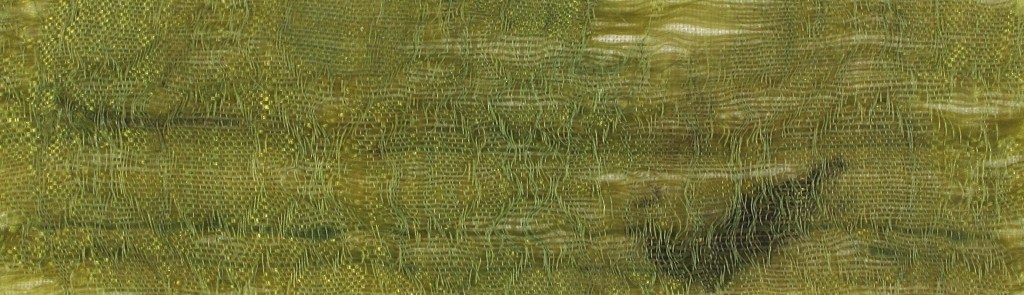
Original data from niche collection: pattern
A pattern may be from various materials and historical periods.
Medium example: print, textile, metal, ceramics, wood, lacquer
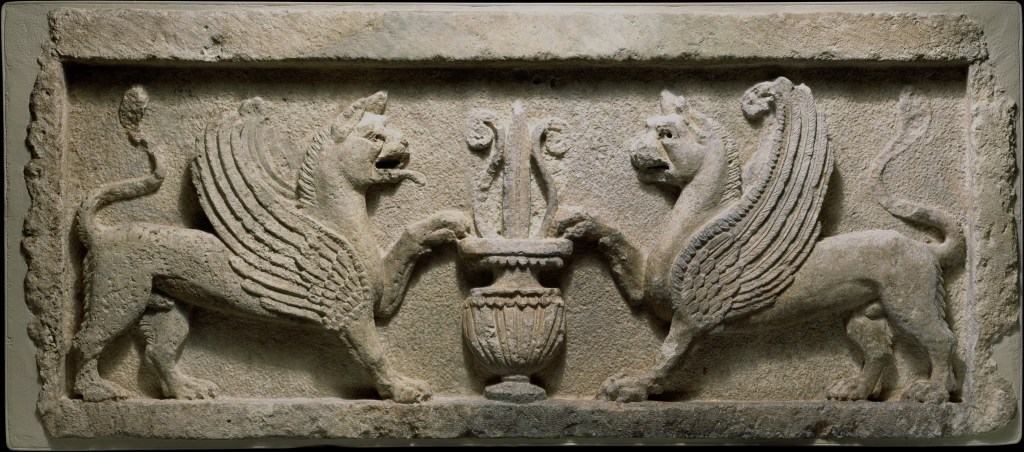
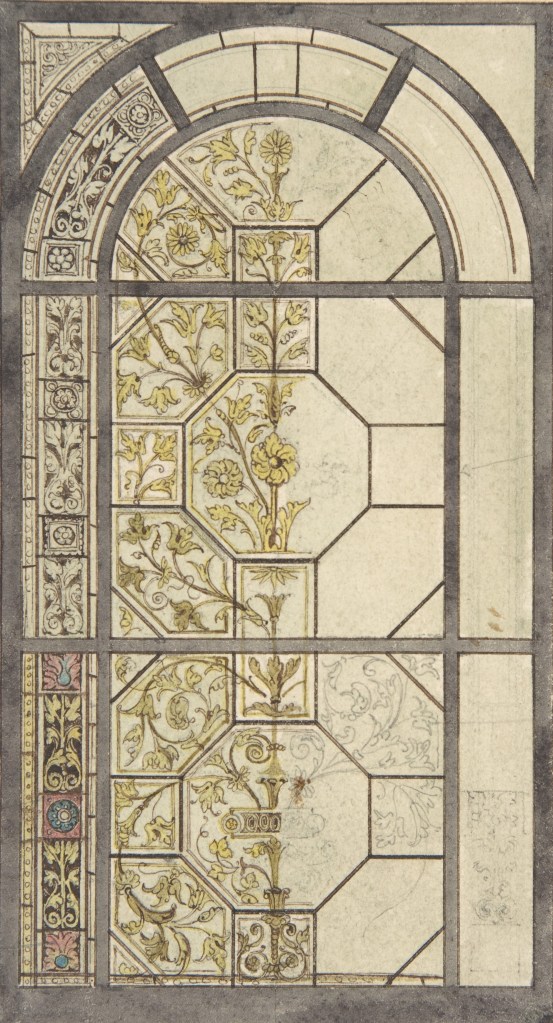
Object examples: ceramic vase, embroidered border fragment, book cover, relief panel, fresco, daguerreotype
Use of pattern as: digital material for industrial textile on demand industry + fashion design industry
_______________________
Patterns as a customization form of digital production industry:
We think that customization of clothing design will focus on a digital twin layout in order to produce clothes, which satisfy client’s measurements, color, texture and lines. This kind of production reduces mass production of clothes, which only partly suits many clients. The lack of colors, textures, silhouettes creates a market with many choices and few suitable clothes.
Patterns as a new way to customization and personality details:
We also think that customization will pay more attention to the study of personality traits such as
Color type / Morphology lines / Scale of brightness / Scale of light and dark / warm and cool colors / Texture materials
_______________________
Patterns as original and historical artworks:
We highlight the nuance, duotone and context patterns as a digital material to customize production of physical and digital textile. We also highlight the original, historical and local patterns as artworks in a same level as fashion designers and textile manufacturers do.

Patterns applied to industry production layouts:
This may lead to the creation and use of aesthetics digital twin mood boards to compose and design a custom layout.
Patterns as metadata links and references in a context search:
We think that this use of original patterns create a mutual exchange between a historic or local pattern and a collection holder, consumer, designer and industry. A consumer, designer and industry receives a unique creation in a form of a pattern and a pattern receives a new life with links and trails to the original artwork.

Industry and R&D integration
We think that a use of patterns as a material offers partnerships in digital market, education industry and art. We present below a case of interaction between textile industry and niche collections of patterns:
Industry integration: textile manufactories/design brands/ textile production
For such products as: clothing, bed linen, furniture fabrics (sofas, chairs, curtains), textile wallpaper
Design integration: extraction data methods – software to depict colors, to choose particular lines and shapes from a pattern, software libraries of colors and shapes
Legal and license integration: choice of license for commercial and non-commercial use, re-use, original marks and path to the source patterns; license for patterns shapes, color and lines
Infrastructure: digitalization of patterns, pattern libraries and databases, documentation for the size, format, lighting, specification of digital patterns, software option to adapt and adjust to manufacturer material; investment and grants for digitalization technology
User experience: download options, search options, path to source options, sharing options.
Services and guidelines for industry, education and art: historical local production of patterns techniques as services for digital providers
 Hermenaria
You must be logged in to post a comment.