
Niche collections and databases
Analogy as a provider for digital spaces construction and circulation of information

Goals
Niche data collections is an application of Hermenaria analogies search methods to software and physical storage, use and circulation of information.
This application highlights an analogy and acausal search above the quantity of data.
A core goal of these application methods, sets of features and products is to increase and understand a relative value of information. This results in a focus on an application to an accurate situation, fluid and infinite states of use and context associations.
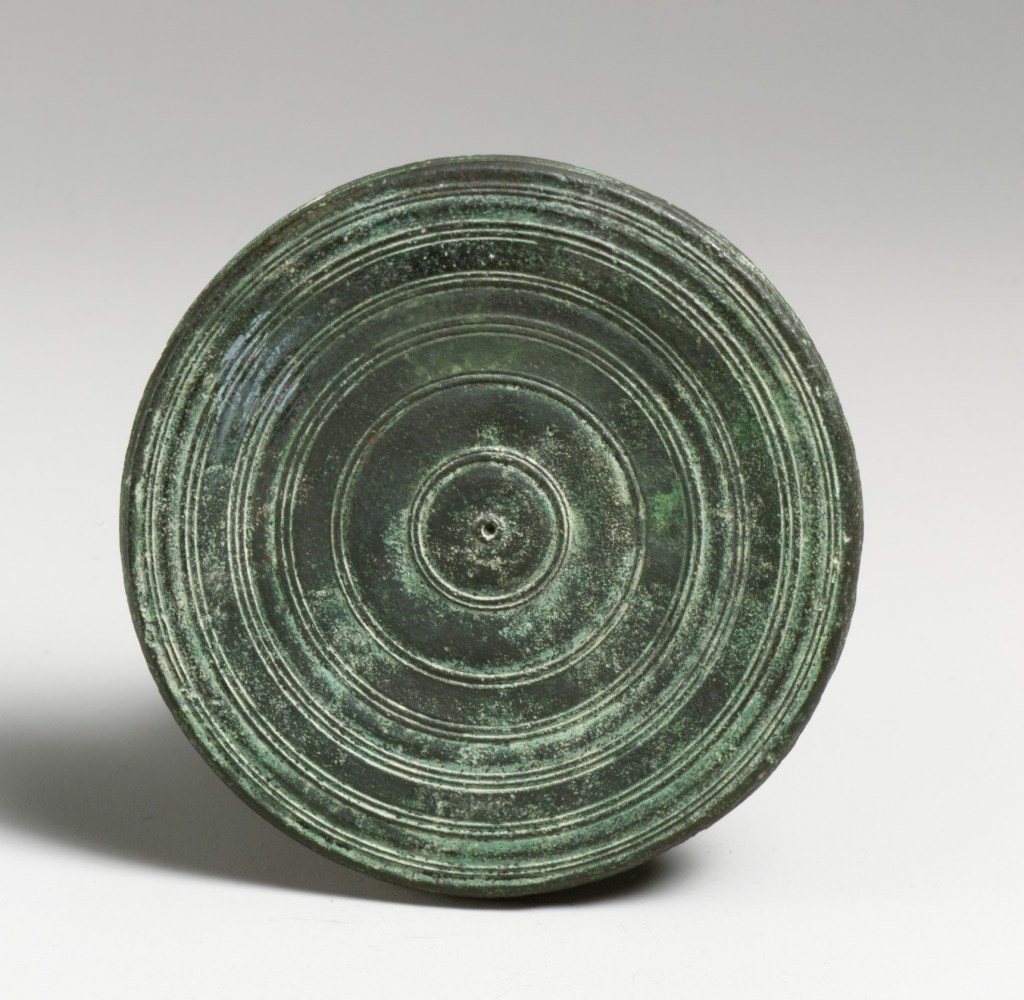

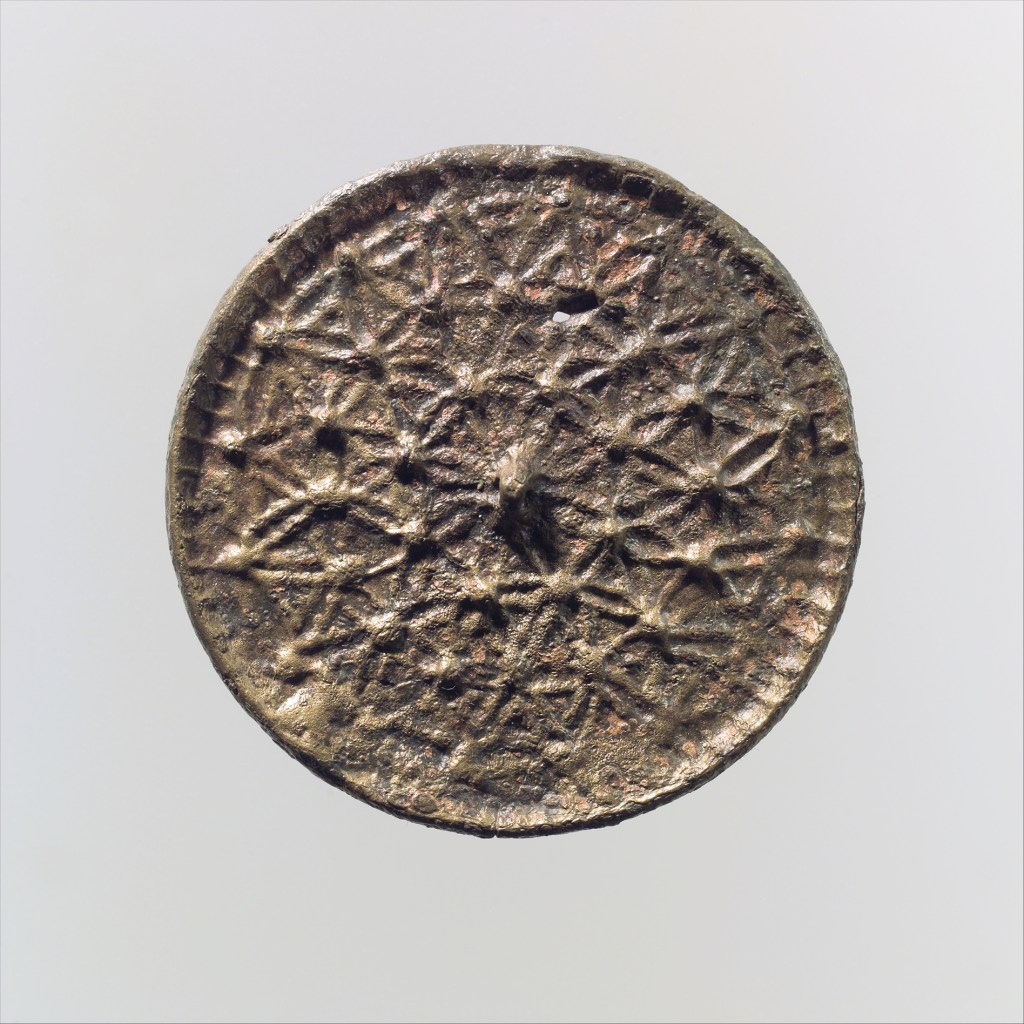
Artworks description
Mirror, Greek, Cypriot, Medium Bronze; The MET Open Access Project, Copyright Free Artwork
Mirror, Japan Medium Inlaid bronze; The MET Open Access Project, Copyright Free Artwork
Mirror, 12th–13th century, Found Iran, Nishapur Medium Bronze; The MET Open Access Project, Copyright Free Artwork
For whom:
Private and public museums, libraries, universities, research centers, public foundations, associations, open sources projects, commercial companies
For what:
Niche, local and context data and metadata collections as a material for digital twins industry, education, and communications
Why:
To extend the use of storage, niche and local information in digital spaces, context search and digital market.
Problem of uncomplete collections:
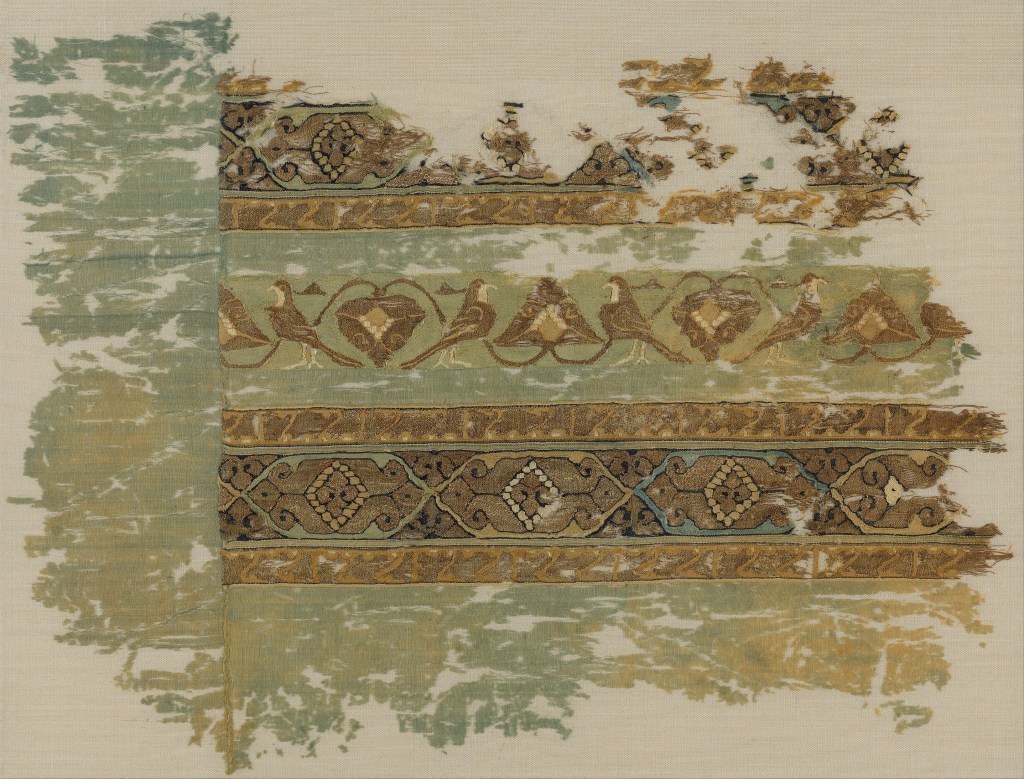
Common problem of niche, local and private collections –lack of complete series and sets of objects; officially considerated as secondary objects or metadata; uncomplete information and sources, current physic condition and description.
Problem solving:
Hermenaria’s Goal search and a Stateware features to include in niche neural networks and organic databases. They provide a focus on a nuance, duotone and details data state. These features increase a context search and analogy production of local and niche data in physical and digital industrial production.
Problem of niche search:
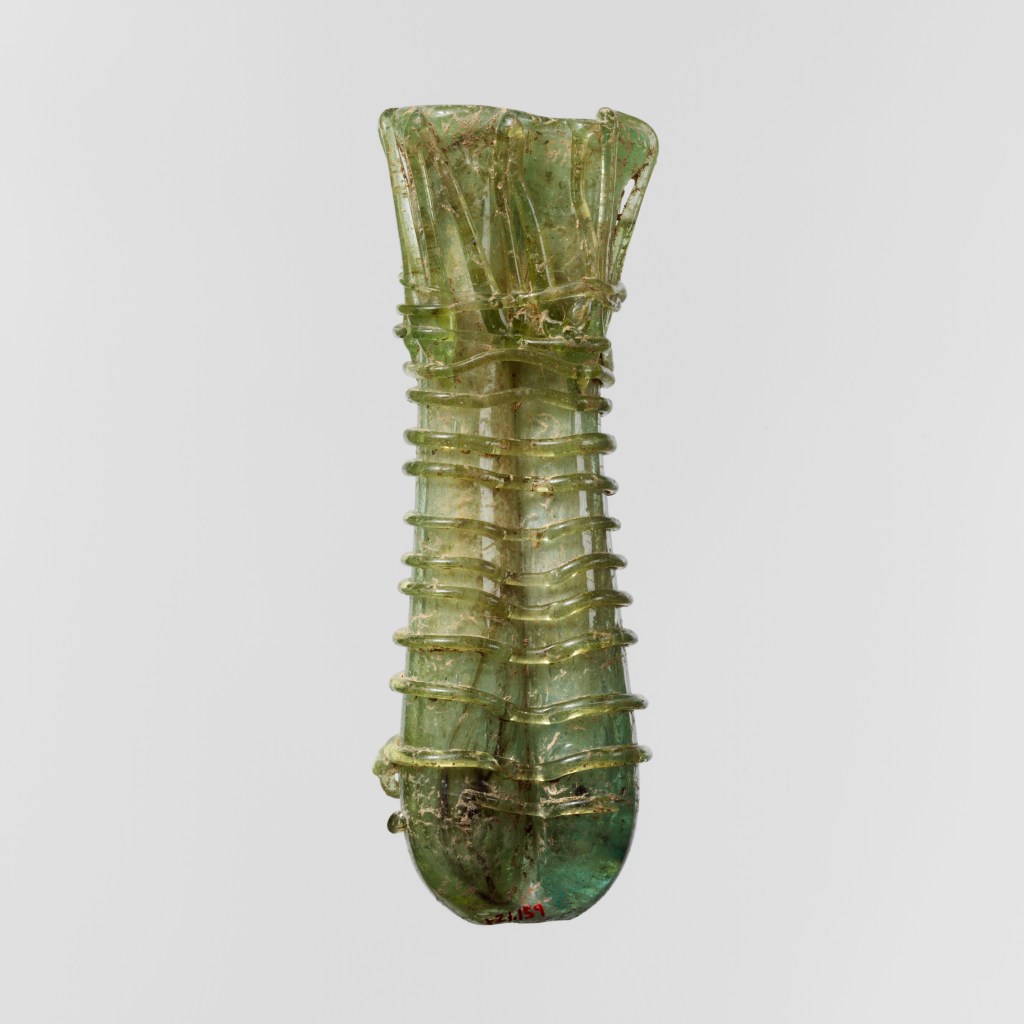
Niche, nuance and context information is difficult to extract because of generated and mass-market content, closed fixed classifications and limited understanding of circulation of information (Cycle and rhythm of information, re-cycle and re-use of information in time and space).
This blocks specific needs of search, niche market solutions and self-education.
Problem solving:
Hermenaria Symbolic data search to extend the current use common and established keywords and concepts.
Use of symbolic interpretations and metaphors to enter local, niche and unknown interpretation in a context search integration and use.
Use of symbolic data search to extend analogy use of information in nonlinear and indirectly connected fields of business, industry and education.
As an example, a niche or local material, color palette or a texture of old traditional clothes may find its use in digital textile on demand industry or in digital architecture design patterns).
Problem of copyright:
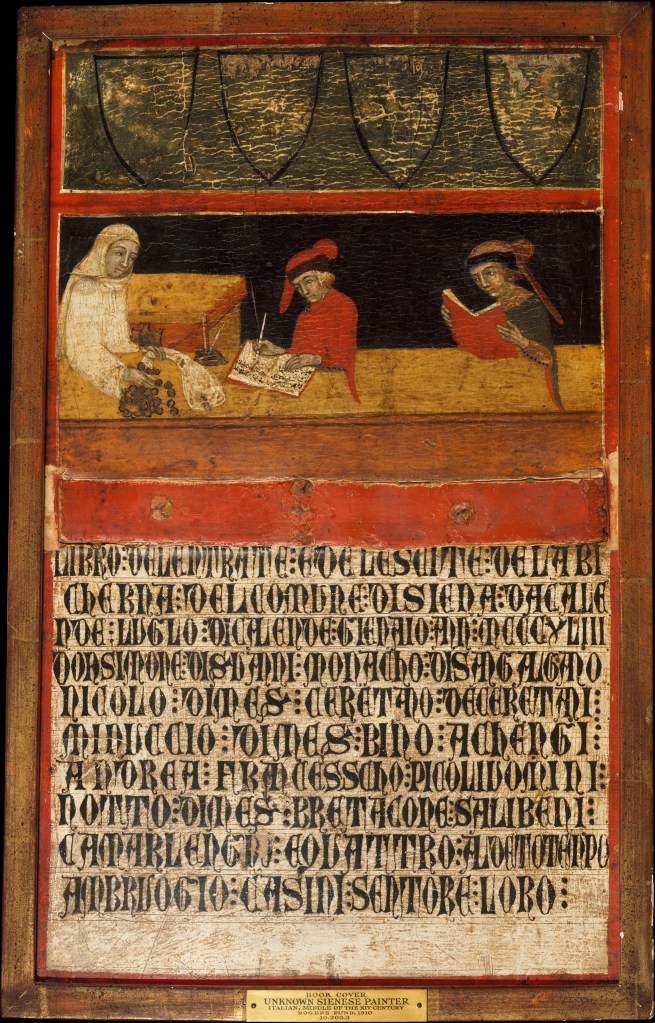
Increase in use and commercialization of data in AI and digital spaces without link to the source and without commercialization and a way to communicate with the copyright owner.
Use of generated content as a mix of niche, local, context works. Problem of searching the original and source content.
Problem of presentation of a way in which information interacts and uses in a particular project, thought or manner.
Problem solving:
A Keypath or a trail, an organic presentation of information and its ways of interaction. A keypath provides an organism of data, its forms and states instead of a fixed keyword form.
It gives realistic and useful protection and advocacy in digital spaces as a link to the source. A trail or a link to the sources creates references and analogies, which makes information circulating and finding its use and partnership. A keypath is also a form to extend symbolic data circulation.
A keypath highlights an importance of a path to sources as a protection to the initial and existing data in digital spaces.
 Hermenaria
You must be logged in to post a comment.